The title of this blog post is very telling and straightforward, as I like to be. With that, I want to invite you to take a minute to dive into this topic even if it’s not directly related to your life experience – at the moment. Why? Well, a couple of years ago I would have thought the same thing. Little did I know how much I would be researching autism or narcissism. It is now a part of every day of my life. And also, why I suffer from trauma and abuse. In addition, I answer your survey questions related to these topics as well.
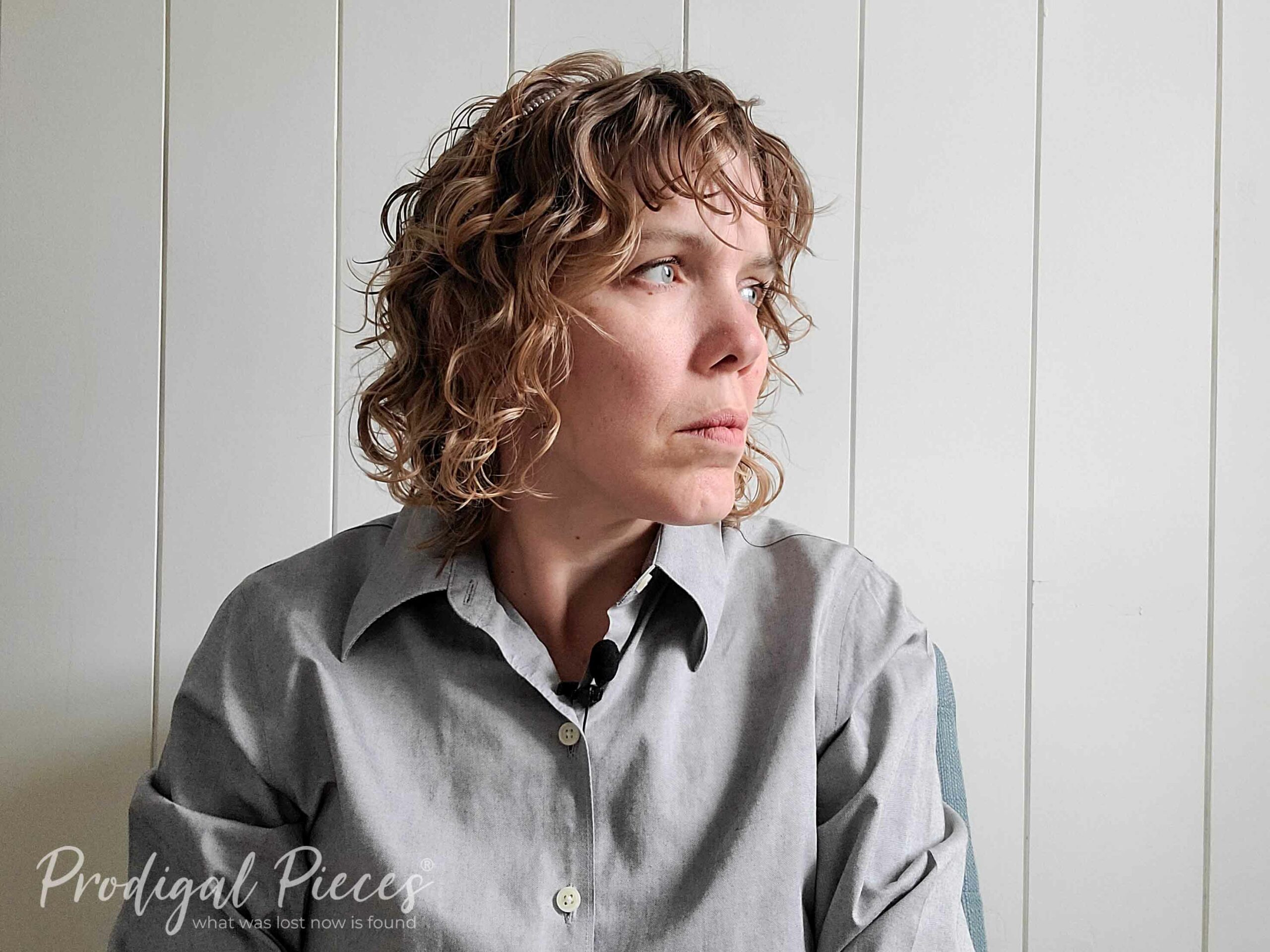
So maybe you don’t currently have these puzzles to decipher, but maybe you will or maybe you know someone who does. Like me. To get you up to speed, in recent days I’ve shared, not only about my dissolution (divorce) from a neurodivergent man, but also a realization of my family of origin. (read Life Updates HERE) Plus, I’m sharing a one-on-one with me so you can hear more on my personal experiences with both.
With that, let’s get started on making some clarifications, shall we?
AUTISM DEFINED
First, as I mention in my past posts, I am not a professional in these areas, by any means. My goal is to share my own experiences and what I’ve learned, with resources, so you can glean. With the growing information dumping on these two topics, it can seem overwhelming. I’ve had you readers ask me questions about your family, your spouse, your children or grandchildren. To make things simple, I want to lay the foundation of information by first discussing autism.
According to the DSM-5, autism is defined as (read full information HERE):
Don’t zone out on me because that was a technical definition, k? Because autism is a spectrum, when you meet one autistic person, you meet one autistic person. (by Dr. Stephen Shore).
AUTISM TRAITS
That’s what makes understanding autism so vast and deep. If you were to take my six children and their dad and line up their traits, you would see some overlap but not see them identically autistic. Also, research has shown that autism is 80% genetic.² I can go more on that another time. And, for reference, not all of my kids are necessarily autistic.
Autism spectrum disorder (ASD) traits include:
- difficulties with emotional and social interactions
- these can include the ebb and flow of conversation, understanding and expressing emotions, difficulty understanding social cues, challenges starting and maintaining a conversation
- challenges in understanding nonverbal communication
- issues with using eye contact, misunderstanding gestures and body language, limited to no use of facial expressions and other social cues, and nonverbal communication
- difficulty with relationships
- challenges with starting, understanding, and maintaining, knowing how to behave in different social interactions and situations, misunderstanding imaginative play, not being interested in others³
As you can see, these traits seemingly revolve around communication, emotion, and relationships. That is what makes these traits appear to be narcissistic in nature. However, the root of the question is… what is the motive? With autism, the motive is both (1) intrinsic – coming from within; doing it because you like it (2) As well as extrinsic – coming from environment or others; desire to please.³
INTERESTS
I can speak from experience that the special interests of a person with ASD (Autism Spectrum Disorder) can send them on a focused discussion with passion. That alone, as I being a neurotypical (whatever that is), can give a feeling of their disinterest to your own opinions and differing interests. Therefore, giving an NPD vibe (Narcissistic Personality Disorder). And that’s not to mention how if an ASD person doesn’t share your interest, it will be ignored entirely. For instance, let’s say you’ve built your own business, have been successful for 13 years, and they can bluntly say they don’t care about what you do because it does not interest them. Yeah, ouch.
For them, it’s black and white; that is truth to them.
NARCISSISM DEFINED
Next, let’s talk about NPD. As a recently self-discovered ACoN myself (Adult Child of a Narcissist)⁴, I can also speak from experience, unfortunately.
NARCISSISM TRAITS
Narcissistic Personality Disorder (NPD) traits include:
- an overexaggerated or grandiose sense of their talents and skills
- ‘living in a fantasy world’ with over-the-top expectations of love, beauty, intelligence, ability, social and economic status, etc.
- inflated sense of self-importance and only interact and have relationships with those that are ‘good enough.’
- need for constant attention and admiration
- entitled
- using others to get what they want
- lack of empathy
- coveting what others have and believing others want and are jealous of what they have
- inflated sense of self-worth⁶
As you can see in this list compared to the list of ASD traits, there is an opportunity for confusion. Having been raised by an NPD as opposed to marrying an ASD and having ASD kids, shows that I was narc trained to expect the lack of interest in my person. For instance, not only does my parent have a disregard for my craft but telling me they are “gifted” in the same area. That they are an artist while insinuating I am not. I could share a million stories similar to this.
In contrast to ASD, NPD is motivated by self-importance, need for admiration, lacking empathy, low self-esteem, and manipulation, to name a few.⁷
WHICH IS IT?
At this point, I’m sure you may be wondering how in the world do you determine the difference if there’s so much overlapping in traits? Jodi Carlton does an excellent interview in this video. She was raised by a narc, married a neurodivergent man, and has neurodivergent children. Just like me.
What is more, I’m going to link dump to other interviews and takes on this same subject so you can quickly watch and learn. (read comments in these links!)
- Why autism is different than NPD?
- Autism vs Narcissism: How To Spot The Differences
- High-functioning Autism: Psychopathy? Narcissism?
NOTE: There is a certain man on social media who claims to know much about autism, and he is NOT credible, and I warn you to stay away from him in this past video post (about 6.48 timestamp) from my Part 1 of neurodivergent marriage.
MY OWN STORY
As I mention earlier, in my journey to understand autism or narcissism and both, I am continuing to learn much about myself. In addition, for reference, it is very possible to have autism and narcissism at the same time and is quite the lethal mix.
In my own terminology after learning of my childhood and adulthood adversely affected by narcissism, I have chosen to refer to a narcissist playing a game of chess with people as their pawns and they are they queen. If you do not know chess, the queen is the most important piece, albeit men can be narcissists as well. When in a relationship of any kind with a narc, they assign roles to people. In my family, there are roles assigned to myself and my three siblings, as well as the other parent and extended family and friends.
Here’s a short video by Jim Brillon where he excellently sums up my experience. It’s crazy that he basically nails it in order.
However, Brillon does a longer explanation HERE as well as my favorite resource for all things narc, Dr. Ramani Durvasula.
So, you may be wondering what role have I had bequeathed on me? Scapegoat⁸ and Invisible Child, primarily. Do understand that the roles can switch up from time-to-time based on their need for supply⁹. Definitely I am to blame according to my parent and family dynamic.
Before watching my video below, this interview by Dr. Ramani of Patrick Teahan is ENORMOUS in understanding what I have been living.
Here is my video Life Update #3;
As mentioned in my video just above, the two recent explanations of Codependency I mention are found HERE and also HERE.
WHAT TO DO NOW?
Whether its autism or narcissism, you may be wondering what to do if you suspect either? First, educate yourself. Like me, there are thousands upon thousands of resources. Yes, some are sketchy, but I created a list in addition to the footnotes below to help from resources I’ve found useful. In the near future, I would like to focus more on being a parent of ASD children, so this reference is more related to adults.
For me, the realization of the lack of understanding my own self is key. I could not have known as an infant what I was raised into. However, now that I have knowledge, it’s up to me to do something about it. There’s much push for boundaries nowadays and healthy ones are key. As a believer in the saving grace of Jesus, the Christ, I can undeniably say that Scripture is a lifeblood for me. There is an enormous amount of guidance that talks about how to deal with a toxic person and how to be a healthy person yourself. For instance, these verses:
- Proverbs: 11:9, 12:18, 15:4, 18:21, 22:6
- Psalm 69:20
- Matthew 12:34, 37
- Luke 6:45
- Ephesians 4:29
- James: the whole book, but also 1:26, 3:10
Key Resources for Autism or Narcissism:
In the last few years, I’ve saved several links to a file on my phone and wanted to offer it to you as a document you can use for you own information. CLICK/TAP HERE for that document. I’ve also made several notes on Narcissism and offer that document HERE.
Autism
- Neurodiverse Christian Marriages Network – Dr. Stephanie Holmes and her husband, Dan, are a neurodiverse couple that offer ministry.
- Barbara Grant – a neurodiverse life & couples coach. She has helped me even when not an official client.
- Leslie Vernick – biblical counselor for broken marriages and relationships in any form, also these specific videos:
- Grace Myhill – neurodiverse couples coaching
- AANE – Asperger/Autism Network
- 22 Things a Woman Must Know if She Loves a Man with Asperger’s Syndrome by Rudy Simone
- The Journal of Best Practices: A Memoir of Marriage, Asperger Syndrome, and One Man’s Quest to be a Better Husband by David Finch: a wonderful read written by a man who didn’t let his diagnosis stop him.
- Very Late Diagnosis of Asperger’s Syndrome – This book discusses the process, the pros and cons, and the after-effects of receiving an autism diagnosis in adulthood.
- Unmasking Autism – Discovering the New Faces of Neurodiversity – A deep dive into the spectrum of Autistic experience and the phenomenon of masked Autism.
- Why Women Who Leave Lose Twice – I find myself in this article over and over again
- The Autism Effect on Marriage – a blog dedicated to those feeling the affects of autism on them and their marriage
- Asperger Experts – world’s largest organization by and for autistic families
- Emotionally Healthy Relationships (book & workbook suggested by Dr. Stephanie Holmes)
- My Pinterest Board
- Good Boundaries and Goodbyes by Lysa Terkeurst a book to help you establish healthy boundaries as a neurotypical wife.

Narcissism:
- Dr. Ramani Durvasala – world renown New York Times bestselling author and professor who helps people heal from narcissistic relationships. Her latest book – It’s Not You.
- The Healing Daughter – is dedicated to helping women who have been raised by narcissistic mothers. They offer a safe, supportive community and a structured, trauma-informed 5-step healing process that helps daughters break free from the deep emotional wounds caused by their upbringing.
- Dr. Jerry Wise – his unique approach is tailored for adults from narcissistic, dysfunctional, or emotionally immature families, addressing the deep and lifelong challenges that most self-help advice fails. (video HERE) He can speak from his own narcissistic parent upbringing. Offers free training!
- Dr. Les Carter – he provides insights about narcissism via his courses, webinars, podcasts, videos and more. His goal is simple: explain narcissism and its powerful impact upon relationships, then offer alternatives for healthy living.
- Jodi Carlton – a leading world expert in neurodiverse relationship dynamics and communication. She also specializes in therapy for those in neurodiverse relationships as well as healing from narcissistic parent abuse. She has lived this herself and also marries men on the spectrum. In addition, she is a mother with neurodiverse children. She works with you on therapy payment.
- Dr. Meg Haworth – holistic wellness for narcissistic abuse survivors, including how your childhood directly affects your adult health and how to heal.
- Leslie Vernick – Biblical relationship coach that also had an unhealthy mother. Offers virtual coaching and oodles of free blogs, podcasts, videos as resources. Her team is amazing.
- Jay Reid – individual psychotherapy and coaching to heal from narcissistic abuse.
SHARE
Is your brain about to implode? I feel ya, really. Leave me some comment love below about autism or narcissism. Also, do know this is a public page, so if you want to reach me privately, please use my contact within this post or at the top of any page on my blog. I hope I’ve answered your questions and welcome any more you may have. In addition, you’re invited to help bring awareness by pinning and sharing.
Before you go, be sure to sign up for my FREE newsletter. It’s Reduce, Reuse, REFASHION TIME next!

FOOTNOTES ON AUTISM OR NARCISSISM
- Autism Speaks – DSM-5, DSM-5-TR and more information
- Is Autism Genetic?
- Autism and Motivation
- ACoNs the Adult Children of Narcissists
- What is Narcissistic Personality Disorder?
- Understanding the Difference Between Autism and Narcissism
- Autism Parenting Magazine – free online magazine
- The Scapegoat Child’s Role & Symptoms in Narcissistic Abuse
- Why is a Person a Narcissist?
While you’re at it, here are more discussions similar to autism or narcissism:
Thank you for your vulnerability, that takes real courage. Please take care of yourself, because as from your own experience, no one else will.
Thank you, Rhonda. That’s exactly why I’m doing these posts because I was silent for so long not knowing what I was in the middle of. This is me bringing awareness to these topics so others can understand themselves or others.