The title of this post may make you want to click off. It’s yucky, it’s heavy. However, I have HOPE. There’s no shame in complex trauma being real in your life or maybe even someone you know.
The reality is that denying trauma in any form is only contributing to the problem.
This Life Update #13 is shedding light on a topic many hear about, want to know more about, but maybe are afraid to ask questions. (you can read all Life Updates HERE)

While I can be the first to admit that I had no idea I suffer from C-PTSD… I mean… isn’t PTSD just for soldiers, police officers, and medics, etc,?
NO.
I am self-diagnosed after late-in-life understanding I was raised by a “Christian” cover narcissist parent. Following that I chose a spouse who treated me the same.
Ironically, the DSM-5 (Diagnostic and Statistical Manual of Mental Disorders) does not include C-PTSD on the list, and many disagree whether it should be or not. However, there is a subtype of PTSD that is recognized as dissociative PTSD, which seems to encompass C-PTSD symptoms.
Maybe you’re like me and you’re living in a cycle that is familiar to you but is actually complex trauma being compounded daily and you don’t know it. Or maybe you know someone who is stuck in familiar pain, and you want to understand why they “choose” to stay stuck.
YOU ARE NOT ALONE.
Why am I tackling this topic?
First, it’s my story and I am unpacking ALL OF IT.
Second, I’ve mentioned C-PTSD in recent past posts and many of you have asked me what that is. Many understand PTSD as Post Traumatic Stress Disorder.
While on the other hand, this new “C” is confusing.
LET’S CONTRAST
Here’s a breakdown found online by me, an unofficial, non-professional person related to this topic and not qualified of diagnosing such injuries. Though, I am a scholar and researcher.
- PTSD vs. CPTSD – PTSD typically stems from a single traumatic event, while CPTSD results from prolonged trauma, often in childhood or abusive relationships.
- Distinct Symptoms – Both conditions share symptoms like flashbacks and emotional numbness, but CPTSD also involves difficulties in self-perception, emotional regulation, and relationships.
- Causes and Risk Factors – PTSD can result from events like accidents or violence, whereas CPTSD often develops from repeated trauma, such as neglect or prolonged abuse.
- Diagnosis and Treatment – PTSD and CPTSD require different therapeutic approaches, including trauma-focused therapy, medication, and specialized interventions like DBT for emotional regulation.
- Recovery and Support – Healing from PTSD or CPTSD involves professional treatment, self-help strategies, and support from mental health professionals, loved ones, and trauma-informed communities. ¹
*for a full discussion on each description and symptoms, please read more at The C-PTSD Foundation.
DEEP BREATH
Okay… so it’s safe to say that complex trauma means just that… that it’s like peeling an onion with oodles of layers that requires healing over time. There is no “just get over it” or “you’re too sensitive”.

One thing I know is that complex trauma is an injury (psychological maltreatment), not an illness. That alone is like death by a thousand cuts.
All hope is not lost as HEALING is possible.
Do you see that term, “death by a thousand cuts” I just mention? It’s literally an ancient Chinese torture called Lingchi, used until 1905 when it was abolished. ²
YIKES.
Sadly, it is very closely related to those who suffer under lifelong effects from having an unhealthy parent, adult caretaker, or authority figure or are in a long-term abusive relationship.
Narcissism is the perfect recipe for complex trauma.
But emotional abuse, while often more difficult to identify, can also cause CPTSD. And emotional abuse is at the heart of the experience of those children who grow up with a narcissistic mother. In the case of the narcissistic mother-child relationship, emotional abuse will be disguised as bonds of love, taking its form as a whole range of behaviors designed to control you, keep you close, and have you on hand to reflect back to her what she needs to see to bolster her fragile ego.³
LET’S PAUSE
First, I’m sharing my experience with C-PTSD so that those who are looking for answers can feel heard and, hopefully, find what they’re looking for.

Likewise, I want to add that there are numerous other symptoms that can be less obvious:
- your sleep position
- eye contact
- ruminating (I mention my experience in my video below)
- vertigo and dizziness (ME)
- avoidance behaviors
- extreme fatigue or physical illness
- being busy
- struggles with receiving praise
- misophonia (I suffer from it) – a decreased tolerance to specific sounds and things you can sense related to them ⁴
- being overprepared – as a child and adult, I was/am always ribbed for being the one prepared for anything my friends, coworkers, and family.
- READ MORE HERE
READERS RELATE
Do you remember me telling you I have a high pain tolerance because of my abuse? I’m not the only one.
Bryan’s story – he grew up in a toxic family of origin and shares a story with me, “About 8 years ago I fell and tried to catch myself with my right arm. When I hit the floor, I immediately said to myself, ‘I broke my wrist’. An hour later, very little pain so I thought just a sprain. 3 months later I’m having lots of pain in said wrist. Doctor says she’ll get me an X-ray. Sure enough, I broke it, but it had already healed with fragments fused to places they shouldn’t be.”
I have countless others who have emailed and messaged and would rather stay anonymous. One reader also has body aches and pains whenever they are around their abuser. Others have the same shakes as I do and go into a dissociative state.
Also, as an aside, it’s eerie how I relate to the stories told by the channel I Have a Covert Narcissist Mother and her complex trauma experience.
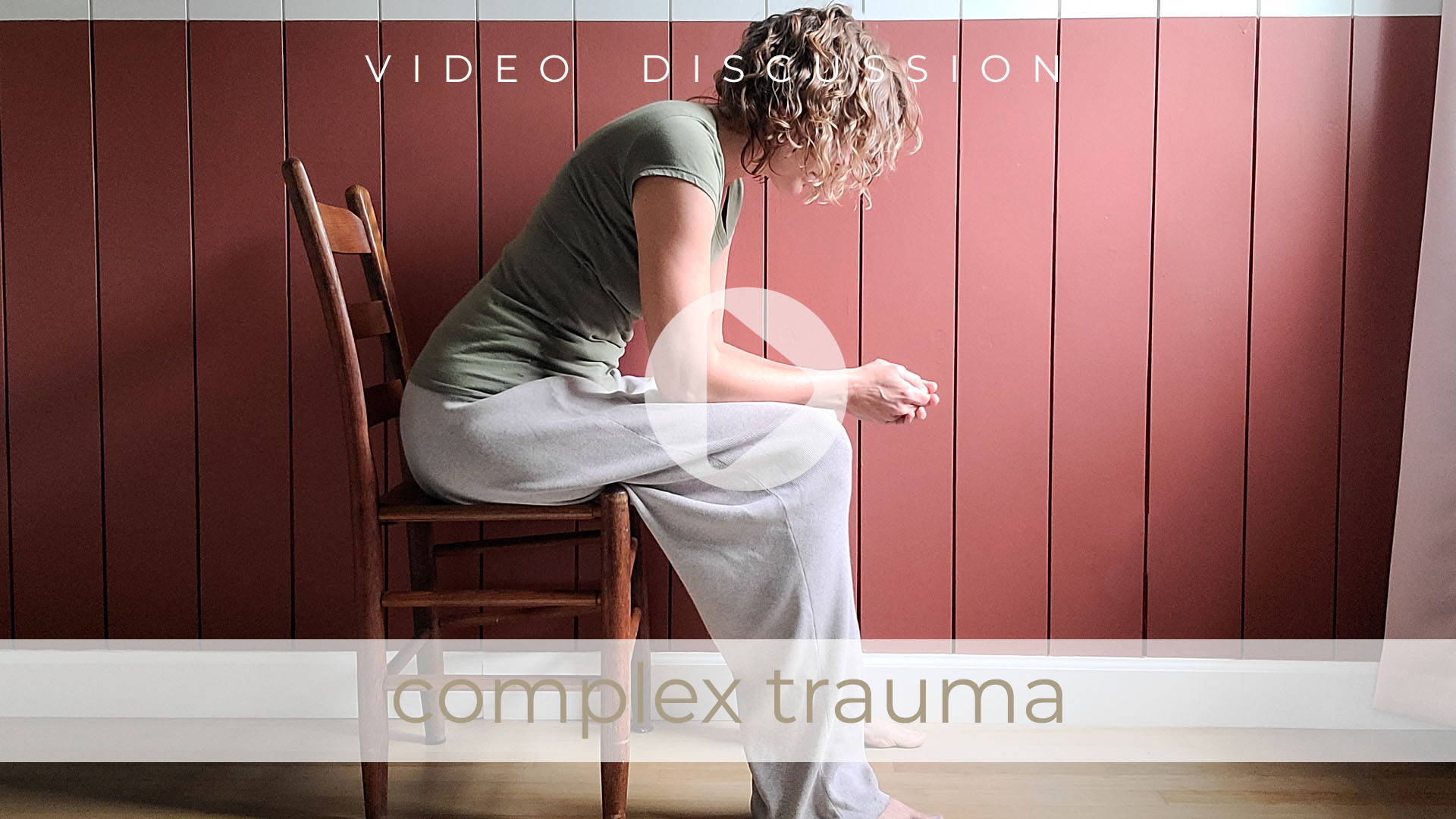
In this video discussion below, I share my story with details related to complex trauma as everyone has varied experiences though similar outcomes. As described in Dr. Ramani Durvasla’s book, It’s Not You, referenced below, being raised by a narcissist means “feeling you need to perform and be a constant source of supply to maintain a relationship with that parent… and may be a pattern that you fall into in future relationships.” BINGO!
HEALING
Yes, healing from complex trauma injury is possible.
Alternatively, not everyone will understand your process or see the changes.
BUT YOU WILL KNOW.
And that’s what matters.
You may find that you can no longer tolerate certain behaviors from others. Or that your once-friendship was actually not healthy and those ties fade.
Give yourself time, GRACE, and seek help as well all know that even at our best, we still need a hand when something so profound happens to us.
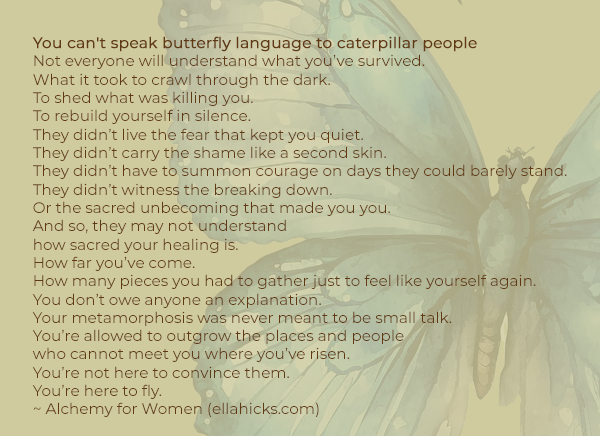
To tell the truth, there will be days you’re rockin’ it. Then, like a BOLT of lightning you hit rock bottom.
Journal your feelings and days so you can see the progress you’re making. And it helps you mentally process your current situation.
Complex trauma permeates your physical, mental, emotional states so keep in mind you may progress at these different levels of healing at different rates.
The goal is to understand yourself, allow yourself to feel all the feels, and know YOU CAN DO THIS.

THERAPIES
Here is a list of therapeutic approaches to trauma that I’ve not had personal experience with and suggest you discuss treatments with a trained professional (listed for educational purposes only):
- EDMR – Eye Movement Desensitization and Reprocessing – can reduce intensity of traumatic memories ⁵
- ASMR – Autonomous Sensory Meridian Response – a relaxing sensory and emotional phenomenon that’s triggered by certain sights, sounds or sensations. Used to help with misophonia like I suffer from. ⁶
- ART – Accelerated Resolution Therapy – a rapid psychotherapy technique that uses eye movements and visualization to help individuals process and resolve trauma and other mental health issues, often within just a few sessions. ⁷
- CBT – Cognitive Behavioral Therapy – a form of psychological treatment that has been demonstrated to be effective for a range of problems including depression, anxiety disorders, alcohol and drug use problems, marital problems, eating disorders, and severe mental illness. ⁸
- DBT – Dialectical Behavioral Therapy – a structured program of psychotherapy with a strong educational component designed to provide skills for managing intense emotions and negotiating social relationships. ⁹
In addition, I have a list of suggested reads at the bottom of this article as well as footnotes with links.
GET MOVING
One thing I know most everyone can do is EXERCISE. It can be from a chair or bed. Even if you walk about 6,000 steps a day you’re walking your way out of anxiety and into peace. ¹⁰ I, alone, can attest that I walk and run 2-3 miles a day (thank you, Loula) and when I’m done, I always feel better.
Not only that, but I also lift weights and use body weight to workout 2-3 times a week. That is literally something I denied myself of for many years and feel GUILTY when taking time to take care of myself (and still do).
There are also somatic therapies, a body-focused therapy that helps release trauma-related tension stored in the body ¹¹.
One of the key’s to healing from C-PTSD is to have experiences that do not involve trauma over time and REWRITE the wiring of the brain to these new experiences.

What is more, I’m learning about cortisol, insulin, and how my body needs tending to in other ways. I’m preparing a future article on that in an upcoming post.
SHARE
Truthfully, there is SO MUCH to this complex trauma package. My goal today is to inform and inspire, so please pin and share. I love to hear from you so leave me a comment below. Just remember that this is a public post and if you’d like to email me personally, I’M HERE FOR YOU.

Before you go, be sure to sign up for my FREE newsletter. Until next time!


SUGGESTED READING
- The Body Keeps the Score by Bessell van der Kolk
- When the Body Says No – The Cost of Hidden Stress by Gabor Mate, MD
- It’s Not You by Dr. Ramani Durvasula, PhD
- What My Bones Know – A Memoir of Healing from Complex Trauma – by Stephanie Foo
FOOTNOTES:
- Understanding PTSD and CPTSD: Key Differences Explained
- What Does “Death by a Thousand Cuts” Mean?
- The Link Between Narcissistic Mothers and CPTSD
- Misophonia
- Healing from Complex Trauma Caused by Narcissistic Relationships
- From Tap to Tingle: The Science of ASMR
- A Quick Start Guide to Accelerated Resolution Therapy
- What is Cognitive Behavioral Therapy?
- Dialectical Behavior Therapy
- How many steps should you walk a day to reduce symptoms of depression?
- Somatic Experiencing Therapy: 10 Best Exercises & Examples
While you’re at it, check out these other posts related to complex trauma:
Thank you for being vulnerble and sharing your pain Larissa. It is helpful to weed through my own pain and understand it. You are a blessing. Sending you a hug
It pains me that you have your own to go through but makes me doing this worth it. Every time I write a post like this I release trauma at night and feel heavy for a few days. So, it a process for sure. Hug received and reciprocated! <3
C-PTSD check, misophonia check, auto immune deficiencies check, flash backs check. None of it is enjoyable but with faith in Jesus I have endured. Some days it looks like methodically plodding along, trying to mind your own business, until wham…. someone or something hits you upside the head and elicits a reaction that almost always gets a return reaction of “you’re too emotional” or “get over it”. Sadly, not many understand and even in a spiritual counseling setting my pastor and his wife couldn’t grasp it and couldn’t give me anything but the standard- (or what felt like the standard brush off) of my deep-seated pain and hurt. Guilt comes in many ways, mostly from constantly feeling broken or like failure because I just can’t get over it. I don’t play victim to receive attention; I was a victim who received little attention and now can’t stand attention and don’t know what to do with compliments. Thank you, Larissa, and I’m sorry for the long reply. I just felt like today was a day to stop hiding replies in emails even though I know I can reach out to you that way as well.
Isn’t just so overwhelming at times? It truly feels like drowning one day and then another day can feel lighter. I have had similar experiences to you in the church and why I currently have taken a long respite from it. I fully believe in the saving grace of Jesus and know that God is leading me (and you) out of the wilderness. Thank you for taking the time. I, too, have such a hard time when I get the attention I crave… what to do with it?
I have been following you for a while and I am impressed with your honesty and sharing of the struggles you are facing every day. I cannot find the video in your current post. It started and the abruptly went to an ad, then more ads. What am I doing wrong? Has FB messed with it?
I wish you continued strength to work your way through your issues. Sue
Thank you for joining me in my journey, Sue. Please send me an email about the video so I can see if there’s a bug I can fix. It should be playing fine… :/